


A leaking sun tunnel is one of the most common issues homeowners report, especially on older installations or roofs that have recently developed wear. Although sun tunnels are designed to be fully waterproof, certain conditions — such as damaged flashing, poor insulation or cracked domes — can allow water to enter the property.
This guide explains the most likely causes of a leaking sun tunnel, how to fix each issue and how to prevent further leaks in the future. It applies to all major brands including Velux, Solatube, LiteLite and Fakro.
The main signs of a leaking sun tunnel
A leak usually shows up in one of the following ways:
- water marks on the ceiling around the diffuser
- dripping from the inside of the sun tunnel
- damp patches on the plasterboard
- moisture inside the reflective tube
- water inside the diffuser cover
- wet insulation in the loft around the tube
If you notice one or more of these signs, action sooner rather than later prevents further damage.
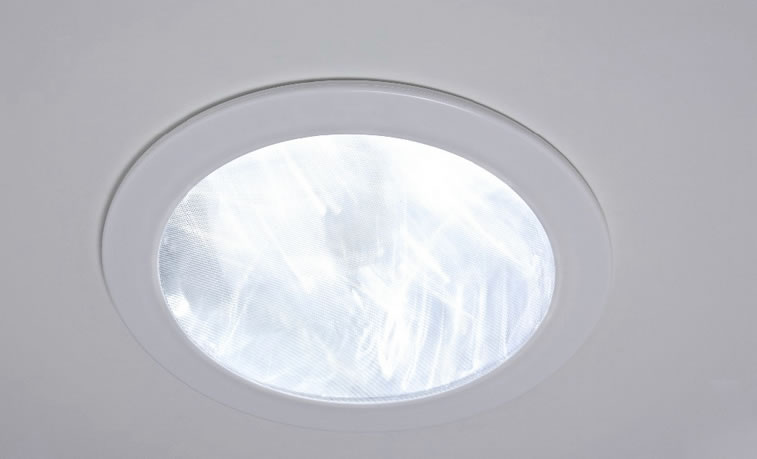
Common causes of sun tunnel leaks (and how to fix them)
Most leaks come from a small number of issues. Below is a clear breakdown of causes and recommended fixes.
1. Damaged or incorrect flashing
Flashing is the waterproof layer that seals the sun tunnel to the roof. If it’s damaged, incorrectly fitted or not compatible with the roof material, water can enter during heavy rain.
Typical causes:
- using tile flashing on a slate roof
- flashing not seated properly beneath tiles
- ageing or weathered lead / aluminium flashing
- debris blocking water flow
How to fix it:
- replace flashing with the correct kit (tile, slate or flat roof)
- refit tiles correctly to restore overlap
- clear debris and check for broken tiles
- reseal the flashing edge where necessary
2. Cracked or weathered external dome / glass collector
Over time, domes become brittle due to UV exposure. A crack allows rainwater to run directly into the tube.
Fix:
- replace the dome or flat glass top unit
- check the gasket seal at the base of the dome
Velux and Solatube sell replacement domes that installers can fit quickly.
3. Condensation mistaken for a leak
Condensation is very common in UK lofts, especially in winter or in bathrooms. Warm, moist indoor air hits the cold tube and turns into water droplets that drip down inside the tunnel.
This is often misdiagnosed as a leak.
Fix:
- install an insulation sleeve around the reflective tube
- seal gaps where warm air can escape into the loft
- add a vapour barrier
- improve loft ventilation
If the tunnel runs over a bathroom or kitchen, insulation becomes essential.
4. Incorrect tube angle or sagging flexible tube
Flexible tubes sag over time. Water can pool in the low point and eventually seep out.
Fix:
- straighten the flexible tube and secure it with straps
- replace flexible tubing with rigid tubing for long-term reliability
Rigid systems rarely sag and offer far better waterproofing and brightness.
5. Roof issues rather than sun tunnel failure
Sometimes the problem comes from the roof itself.
Common roof-related causes:
- slipped tiles
- broken slate edges
- lifted felt underlay
- deteriorated battens
In these cases, the roofer must repair the roof before addressing the sun tunnel.
Quick diagnosis table
Use this to identify the most likely cause:
| Symptom | Most Likely Cause | Recommended Fix |
|---|---|---|
| Water dripping from diffuser | Flashing failure or dome crack | Replace flashing or dome |
| Wet insulation in loft | Roof leak near sun tunnel | Repair roof tiles/slates |
| Water inside tube | Condensation | Add insulation sleeve |
| Light misting inside diffuser | Condensation | Add vapour barrier & insulation |
| Water only in heavy rain | Flashing or dome issue | Inspect externally |
| Drip after storms only | Roof tiles lifted | Roof repair required |
Preventing future leaks
Preventative steps keep your sun tunnel functioning for many years:
- Choose the correct flashing for your roof type (tile, slate or flat roof).
- Ensure rigid tubes are used for long runs.
- Add insulation sleeves, especially over bathrooms.
- Keep external domes clean and free of debris.
- Have an installer check seals every few years.
- Replace worn domes promptly.
Good installation prevents over 90% of leak issues.
Can you repair a leaking sun tunnel yourself?
You can fix small condensation issues by adding insulation or sealing gaps, but flashing repairs, dome replacement and roof tile adjustments should be done by a professional. Incorrect DIY fixes often cause more water ingress.
When to replace the sun tunnel completely
Replacement becomes worthwhile when:
- the dome has discoloured or cracked
- the flashing kit is outdated or corroded
- the tube is damaged or heavily dented
- moisture damage has affected the internal ceiling
- the model is older and parts are no longer available
Modern sun tunnels are far more efficient and well insulated, so replacing an older unit often delivers better brightness and reduced condensation.
Get free quotes for leak repairs or replacements
If your sun tunnel is leaking, you can receive up to four free quotes from vetted UK roofers and sun tunnel specialists. They can identify whether the issue comes from flashing, tube insulation, roof defects or the dome itself — and recommend the most cost-effective fix.


Pingback: Signs of Sun Tunnel Dome Damage | Cracks, Fading & Leaks