
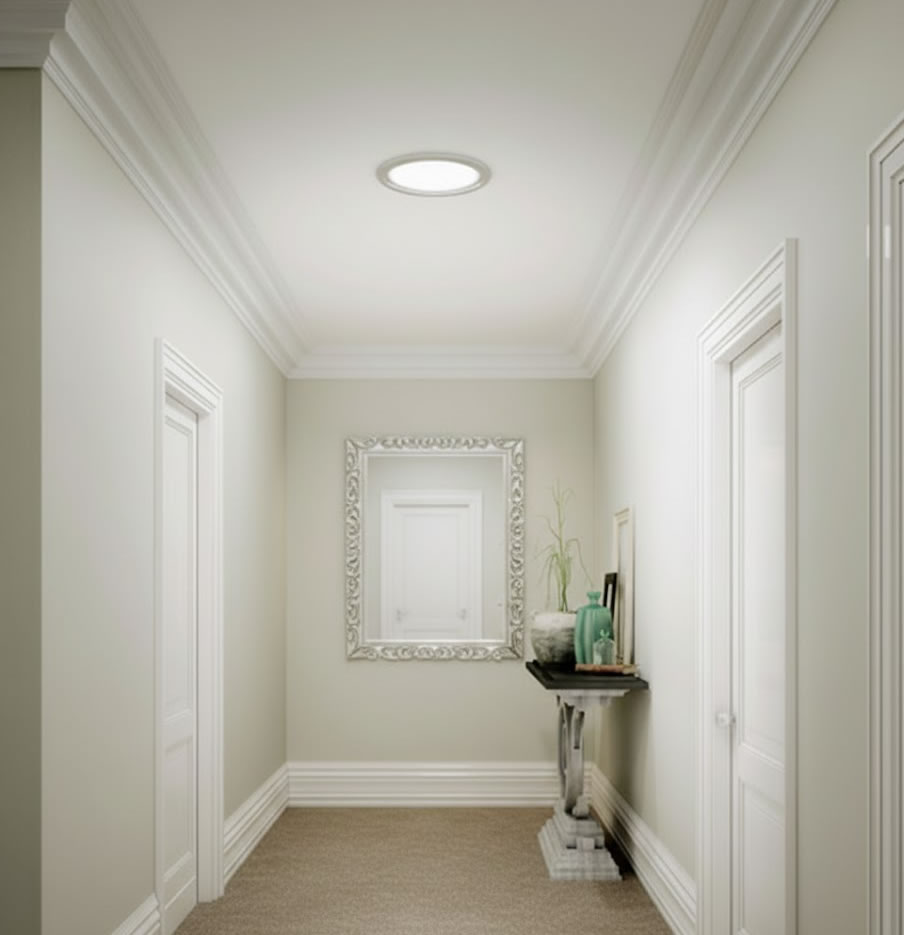
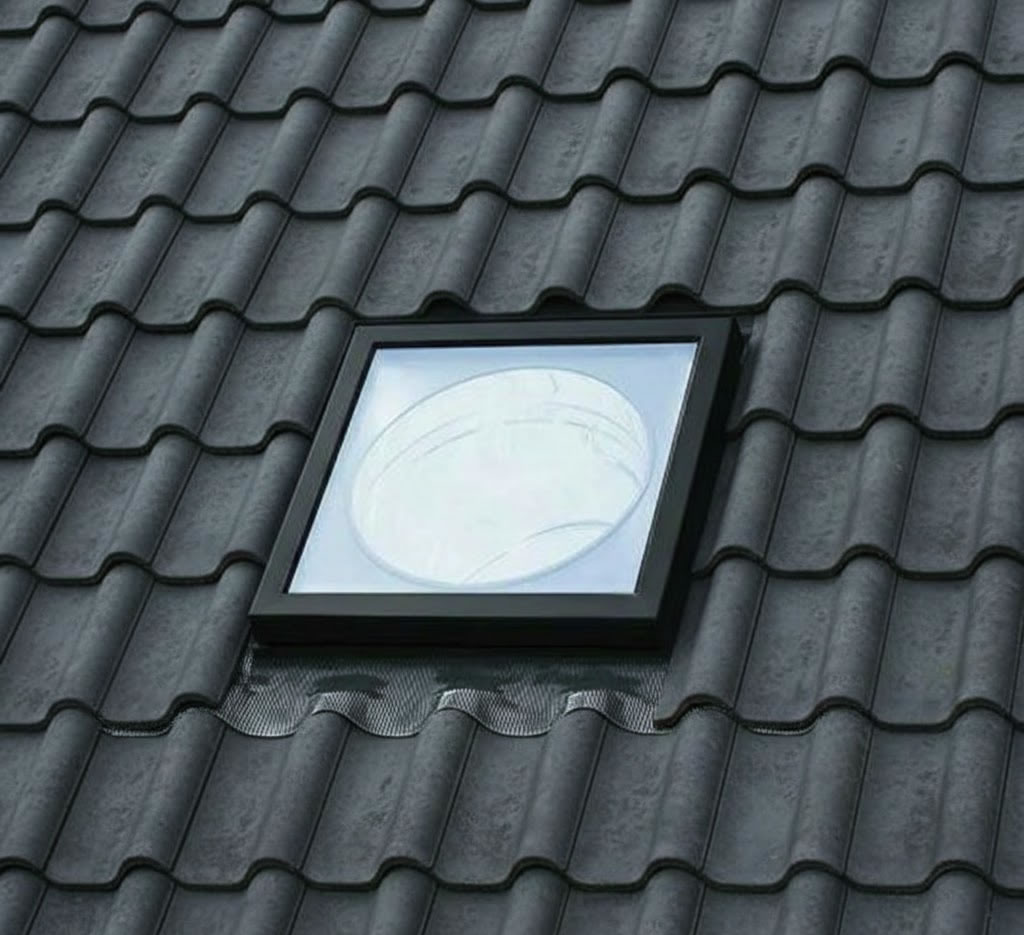
Pitched roofs work extremely well for sun tunnel installations in the UK, mainly because they provide natural slope, loft access and strong daylight capture. When you install a sun tunnel on a pitched roof, you usually gain brighter rooms, fewer structural changes and a simpler installation process. As a result, pitched roofs often deliver better performance and lower costs than flat roofs.
This guide explains what you can expect during installation, how different roof types affect performance and how to avoid the issues that homeowners encounter most often. In addition, several tables summarise key points to make comparisons easier.
Why pitched roofs are ideal for sun tunnels
Pitched roofs suit sun tunnels particularly well because they offer:
- a natural roof angle that improves daylight capture
- easy access inside the loft
- simple integration with common flashing kits
- reliable long-term weatherproofing
- quicker installation with minimal disruption
Furthermore, most UK homes already have suitable roof pitches, which makes choosing a sun tunnel a straightforward decision.
Roof types suitable for pitched roof sun tunnels
Although most pitched roofs work well, the table below shows how each material behaves.
| Roof Material | Suitable? | Notes |
|---|---|---|
| Concrete roof tiles | Yes | Works with standard tile flashing kits |
| Clay tiles | Yes | Fragile; installers handle with care |
| Interlocking tiles | Yes | One of the easiest installations |
| Natural slate | Yes | Needs a dedicated slate flashing |
| Artificial slate | Yes | Lightweight and compatible |
| Plain tiles | Yes | Requires more flashing elements |
| Metal sheeted pitched roofs | Sometimes | Needs specialist flashing |
Because flashing kits come in multiple versions, installers usually select one that pairs correctly with your roof material.
Installation process: what homeowners can expect
Although every home differs slightly, the steps below outline the typical installation sequence. Installers complete most work from the outside or inside the loft, which keeps disruption inside your home low.
| Step | What Happens | Notes |
|---|---|---|
| 1 | Loft inspection | Installer checks rafters, insulation and obstacles |
| 2 | Mark roof and ceiling | Ensures accurate diffuser positioning |
| 3 | Cut roof opening | Small opening; minimal structural change |
| 4 | Install flashing | Creates the essential waterproof seal |
| 5 | Fit the tube | Rigid or flexible depending on loft layout |
| 6 | Add insulation | Helps prevent condensation |
| 7 | Fit ceiling diffuser | Clean interior finish |
| 8 | Test light output | Confirms correct alignment |
Because pitched roofs rarely require complex waterproofing, installers usually complete the job within two to four hours.
Rigid vs flexible tubes on pitched roofs
Both tube types function well on pitched roofs, although they offer different advantages. The table below simplifies the key differences.
| Feature | Rigid Tube | Flexible Tube |
|---|---|---|
| Brightness | Very high | Moderate |
| Best use | Straight loft runs | Around obstacles |
| Energy efficiency | Better | Lower |
| Light loss | Low | Higher |
| Installation | More precise | Easier |
| Bathroom suitability | Very good with insulation | Suitable for short runs |
Rigid tubes deliver stronger brightness, so installers often recommend them when the loft layout allows a straight path.
Roof pitch and daylight performance
The angle of your roof influences how much natural light enters your home. Steeper roofs generally produce brighter results, although all standard UK pitches work well.
| Roof Pitch | Light Performance | Notes |
|---|---|---|
| 15°–30° | Good | Common on modern houses |
| 30°–45° | Very good | Excellent daylight capture |
| 45°–60° | Excellent | Strong year-round brightness |
| Under 15° | Fair | May require a dome-style collector |
Because pitched roofs collect daylight consistently, you usually enjoy reliable light even on cloudy days.
Typical costs for pitched roof sun tunnels
Pitched roof installations remain the most affordable option, largely because the flashing and sealing process requires fewer specialist materials.
| Cost Item | Typical Price Range | Notes |
|---|---|---|
| Standard installation | £600 – £1,200 | Most homes fall here |
| Premium brands | £1,200 – £2,000 | Includes Solatube or Velux rigid systems |
| Extra tube sections | £50 – £300 | Needed for long runs |
| Insulation sleeve | £50 – £150 | Reduces condensation |
| Condensation kit | £80 – £200 | Ideal for humid rooms |
Since labour costs vary by region, it helps to compare several quotes before choosing an installer.
Best brands for pitched roof installations
Most well-known sun tunnel brands supply pitched roof kits. Installers usually prefer brands they trust, but each one suits different installation types.
| Brand | Strengths | Ideal Use | Installed Price Range |
|---|---|---|---|
| Velux | Reliable and widely available | Standard tiled or slate roofs | £800–£1,800 |
| Solatube | Very bright, premium performance | Long or complex loft runs | £1,200–£2,500 |
| Fakro | Good value and solid quality | Mid-range budgets | £700–£1,500 |
| LiteLite | Affordable and lightweight | Small rooms with short runs | £600–£1,200 |
Installers often recommend Velux for familiarity and Solatube when homeowners want maximum daylight.
Common issues and how to avoid them
Although pitched roof sun tunnels rarely cause problems, you can prevent most issues by choosing the right installer and accessories.
| Issue | Cause | Solution |
|---|---|---|
| Condensation | Cold loft meeting warm air | Add insulation sleeves and vapour barriers |
| Low brightness | Tube bends or sagging | Choose rigid tubes and shorten path |
| Flashing leaks | Wrong flashing installed | Use correct flashing for tile or slate |
| Poor placement | Rafters or tanks obstruct view | Move location or adjust tube route |
| Diffuser misting | High bathroom humidity | Improve ventilation and insulation |
When installers inspect the loft before fitting, they usually identify these issues early.
Where pitched roof sun tunnels work best
Rooms beneath pitched roofs often lack windows, so they benefit significantly from natural daylight. The table below shows common locations.
| Room or Area | Why It Works Well |
|---|---|
| Hallways | Internal rooms brighten instantly |
| Stairwells | Reduces dark vertical spaces |
| Bathrooms | Offers privacy without a window |
| Lofts | Adds usable light without major work |
| Internal bedrooms | Brightens rooms with limited exterior walls |
| Kitchen lean-to roofs | Spreads light evenly across the space |
Since pitched roofs often cover these rooms, sun tunnels offer a practical and attractive lighting solution.
Get free pitched roof sun tunnel quotes
If you want brighter, more natural light in your home, you can request up to four free quotes from vetted UK sun tunnel installers. These specialists work with all major brands and handle both tiled and slate pitched roofs, which helps you compare prices and installation options before you commit.
Frequently asked questions
Is a pitched roof better than a flat roof for sun tunnels?
Yes. Pitched roofs usually offer easier waterproofing, lower installation costs and stronger daylight performance.
Can installers fit a sun tunnel on any roof pitch?
They can fit one on most roofs between 15° and 60°.
Will a sun tunnel work on a slate roof?
Yes. Installers simply use a dedicated slate flashing kit.
Do I need planning permission?
Most homeowners don’t because pitched roof sun tunnels generally fall under permitted development.
How long does the installation take?
Most installations take two to three hours, although complex loft layouts may require more time.