


Sun tunnels have become a popular way to brighten dark rooms in UK homes, but in recent years more homeowners have started considering LED sun tunnels as an alternative or a supplement. Both solutions illuminate windowless rooms, yet they work in completely different ways.
This guide explains the differences, compares their performance and helps you decide whether natural daylight, LED lighting or a combination of both suits your space best.
What is a daylight sun tunnel?
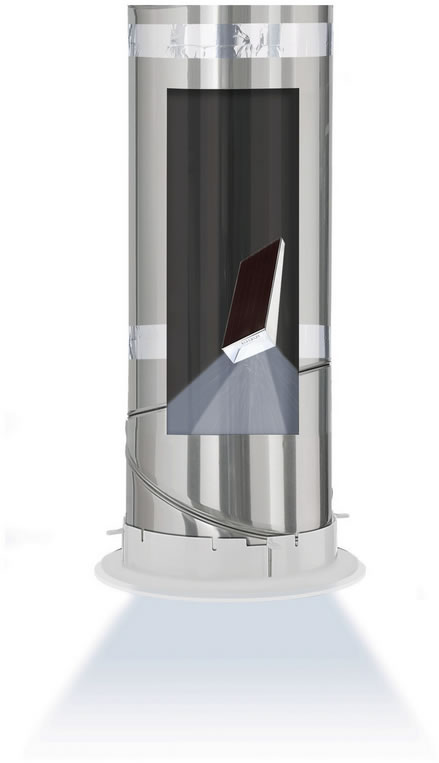
A daylight sun tunnel channels natural sunlight from the roof to the room below using a reflective tube. It works without electricity and provides free illumination throughout the day.
Benefits of daylight sun tunnels
- completely natural light
- zero running costs
- bright and crisp illumination
- improves mood and visibility
- reduces reliance on artificial lighting
- excellent for dark internal rooms
Daylight sun tunnels shine strongest on clear or bright days, but high-quality systems still perform well in cloudy British weather.
What is an LED sun tunnel?
An LED sun tunnel uses an electric LED light inside the same ceiling diffuser used for a standard sun tunnel. When switched on, the diffuser glows and mimics the appearance of natural daylight, even when it is dark outside.
LED sun tunnels do not rely on the sun and operate like a ceiling light while maintaining the aesthetic of a sun tunnel.
Benefits of LED sun tunnels
- consistent light day and night
- ideal for bathrooms or rooms used after dark
- energy-efficient compared to old halogen fixtures
- perfect for spaces with minimal natural light
- can be combined with a daylight sun tunnel
LED sun tunnels extend usage into evenings, something daylight-only models cannot offer.
Daylight vs LED Sun Tunnels: Quick Comparison
| Feature | Daylight Sun Tunnel | LED Sun Tunnel |
|---|---|---|
| Light source | Natural sunlight | Electric LED |
| Running cost | £0 | Low |
| Works at night? | No | Yes |
| Brightness | High in daylight | Consistent anytime |
| Installation | Roofing + loft work | Electrical installation |
| Energy efficiency | Excellent | Very good |
| Mood impact | Natural, uplifting | Artificial but consistent |
| Ideal for | Daytime rooms | Rooms used at night |
| Maintenance | Minimal | Occasional LED replacement |
When daylight sun tunnels are the best choice
Daylight models are ideal when you want genuine natural light rather than artificial illumination.
Choose daylight sun tunnels if:
- you prefer bright daylight over LED light
- the room is mainly used during the day
- you want to reduce electricity use
- the room feels gloomy or enclosed
- you want to increase the sense of space
Perfect for:
- hallways
- landings
- kitchens (for extra daytime light)
- lofts
- stairwells
- windowless bathrooms
Daylight tubes offer the most “natural” solution.
When LED sun tunnels are the best choice
LED sun tunnels shine (literally) when you need consistent lighting around the clock.
Choose LED sun tunnels if:
- the room is used frequently at night
- you want the tunnel to double as a ceiling light
- the room receives little or no natural daylight
- electrical lighting is essential for safety (e.g., stairwells)
Best for:
- bathrooms
- utility rooms
- cloakrooms
- windowless basements
- loft stairways
LED sun tunnels offer flexibility and reliable lighting regardless of weather.
Daylight + LED combination systems
Increasingly, UK homeowners choose hybrid systems:
a daylight tunnel fitted with an integrated or optional LED kit.
This provides:
- bright, free daylight during the day
- LED lighting at night
- a seamless, single diffuser appearance
This combination is ideal for:
- bathrooms
- frequently used hallways
- landings
- staircases
- kitchens needing extra illumination in winter
Hybrid setups offer the best of both worlds.
Brightness comparison
| Brightness Factor | Daylight Tunnel | LED Tunnel |
|---|---|---|
| Daytime brightness | Very high | Moderate–high depending on LED |
| Night-time brightness | None | High |
| Colour rendering | Natural | Depends on LED quality |
| Seasonal variation | Yes | No |
Daylight is unbeatable for natural feel, while LED provides reliability.
Installation differences
| Installation Aspect | Daylight Tunnel | LED Tunnel |
|---|---|---|
| Roof penetration | Yes | Sometimes (if combined system) |
| Electrical wiring | No | Required |
| Installer needed | Roofer | Electrician |
| Installation time | 2–4 hours | 1–2 hours |
A combined daylight + LED kit requires both trades.
Cost comparison (UK)
| Cost Type | Daylight Tunnel | LED Tunnel |
|---|---|---|
| Product cost | £200–£900 | £60–£200 (LED kit only) |
| Installation | £400–£700 | £80–£200 |
| Total cost | £600–£1,500 | £140–£400 (LED only) |
Combined systems typically cost £700–£1,800, depending on tube type and LED quality.
Which one should you choose?
Choose Daylight if:
✔ you want natural, free light
✔ the room is used mostly during the day
✔ energy savings matter
✔ you want the brightest possible effect
Choose LED if:
✔ the room is used at night
✔ you need consistent illumination
✔ natural light isn’t possible or sufficient
✔ you want a clean, modern diffuser appearance
Choose Both if:
✔ you want the best lighting 24/7
✔ the space is windowless and heavily used
✔ you want a premium result
Get free quotes for daylight and LED sun tunnel installation
If you’re unsure whether to choose daylight, LED or a hybrid system, you can request up to four free quotes from vetted UK installers. They can assess your room layout and recommend the right solution for your home.

