
A sun tunnel (also known as a solar tube, daylight tube or tubular skylight) brings natural daylight into a room using a roof-mounted light collector and a reflective tube. Unlike traditional roof windows, sun tunnels don’t require major structural changes, which makes them an affordable and popular solution for brightening dark spaces in UK homes.
This guide explains how sun tunnels work, how much they cost, where they can be installed, and what homeowners should expect during installation, maintenance and repairs.
What Does a Sun Tunnel Do?
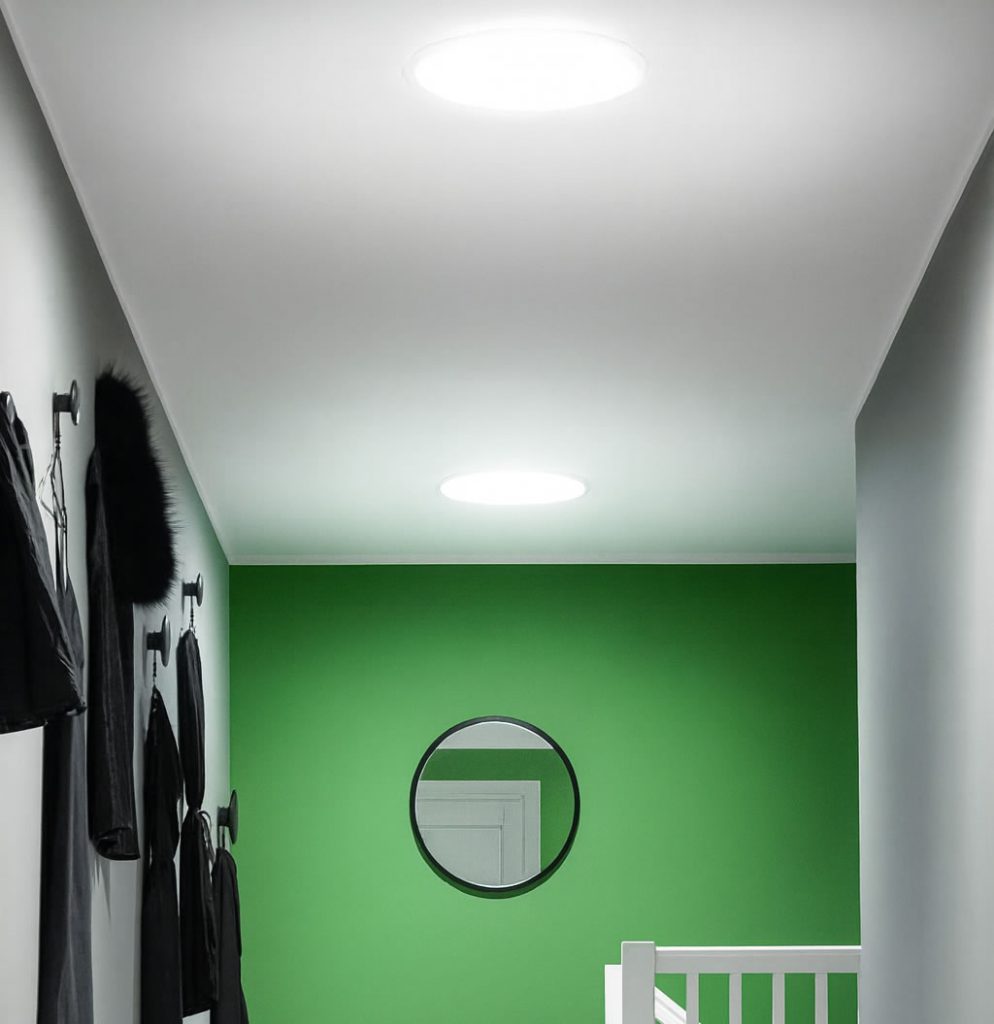
A sun tunnel captures sunlight on the roof and channels it through a reflective tube into a room below. The light then enters the room through a diffuser in the ceiling, creating bright, natural illumination even in internal spaces.
Sun tunnels:
- Reduce the need for artificial lighting
- Add natural light to rooms without windows
- Improve property value and comfort
- Work in all seasons, even on cloudy days
Where Can You Install a Sun Tunnel?
Sun tunnels work well in places where a standard rooflight or roof window is not practical or may be too expensive.
Common installation locations include:
- Hallways
- Bathrooms
- Lofts
- Stairwells
- Landing areas
- Walk-in wardrobes
- Kitchens
- Internal rooms with no outside wall
If the room is dark during the day, a sun tunnel is usually a good idea.
Sun Tunnel vs Solar Tube vs Daylight Tube
These terms all refer to the same idea:
- Sun tunnel — most common UK term
- Solar tube — commonly used in the US
- Daylight tube — technical product term
All three mean a roof-mounted daylighting system.
Types of Sun Tunnels
Rigid Sun Tunnels
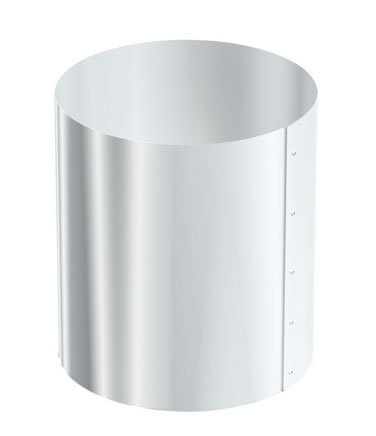
A rigid tube delivers the highest brightness because light reflects with minimal loss. They’re ideal for longer or straighter roof runs.
Flexible Sun Tunnels
Flexible tubes curve around loft obstacles. They’re easier to install but slightly reduce brightness.
Flat Roof Sun Tunnels
These use special flashing and membrane seals to ensure full waterproofing.
What Are Sun Tunnels Made Of?
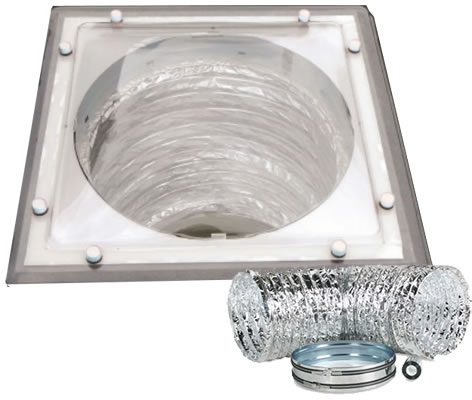
Typical components include:
- Exterior dome or flat glass collector
- Reflective tube (rigid or flexible)
- Roof flashing and weather seals
- Ceiling diffuser
- Optional condensation control kit
Rigid tubes use highly reflective aluminium for superior light transfer. Flexible tubes use reflective foil over a flexible duct.
Pros and Cons of Sun Tunnels
| Benefit | Consideration |
|---|---|
| Quick installation | Less view than a roof window |
| Lower cost | Limited night light unless LED |
| No structural roof changes | Brightness depends on tube path |
| Diffused natural light | Condensation possible in cold lofts |
| Energy efficient | Needs proper flashing and insulation |
Most drawbacks can be solved with professionally installed insulation and ventilation.
Do Sun Tunnels Need Planning Permission?
In most UK homes, no planning permission is required. They’re classed as permitted development, similar to roof windows. Exceptions include:
- Listed buildings
- Conservation areas
- Flats with shared roof access
Local advice is recommended if you’re unsure.
How Much Does a Sun Tunnel Cost?
Typical UK prices:
- Standard installation: £600 – £1,200
- Premium brands (Velux / Solatube): £1,200 – £2,500
- Flat roof sun tunnels: £1,200 – £2,800
Extra costs apply for:
- Condensation kits
- Vapour barriers
- Long tube runs
- Difficult roof access
Tip: Getting multiple quotes helps reduce cost and find trusted installers.
Sun Tunnel Brands in the UK
Velux Sun Tunnels
Very popular with UK roofers, robust flashing and clean ceiling looks.
Solatube
Top daylight performance, premium tube reflectivity, and excellent moisture control.
Fakro
Great value alternative with reliable flashing kits.
LiteLite
Budget option, good for straightforward installations.
Sun Tunnel vs Roof Window (Velux)
| Feature | Sun Tunnel | Roof Window |
|---|---|---|
| Cost | Lower | Higher |
| Light quality | Diffused natural daylight | Full daylight + view |
| Installation | Fast & low-impact | Structural changes |
| Heat loss | Very low | Moderate |
| Best for | Internal dark rooms | Lofts and rooms with external wall |
Consider a sun tunnel when a roof window is too costly or involves big changes to the roof.
Do Sun Tunnels Work at Night?
Yes, if you add a sun tunnel LED kit. Many systems offer night-light functionality using low-energy bulbs.
Common Sun Tunnel Issues & Fixes
Condensation
Solved with insulation sleeves, vapour barriers and ventilation kits.
Leaks
Usually caused by roof flashing failure. Repairable in most cases.
Low brightness
Often caused by flexible tube sagging. Switching to a rigid tube helps.
Sun Tunnel Safety & Energy Efficiency
Sun tunnels:
- Use no electricity during daylight
- Reduce carbon footprint
- Maintain roof weatherproofing
- Meet modern Building Regulations when installed correctly
Installation by a competent person ensures compliance and warranty coverage.
Get Free Sun Tunnel Quotes
Tell us about your property and receive up to four free quotes from local sun tunnel specialists. All installers are vetted, insured and experienced with UK roof types.
Natural daylight without stress — get your free sun tunnel quotes today.
Frequently Asked Questions
Are sun tunnels worth it?
Yes — they provide bright natural light with low installation cost and minimal disruption.
How long does installation take?
Usually 2–4 hours, depending on the roof and tube type.
Do sun tunnels work on flat roofs?
Yes. Specialist flashing kits make flat roof installations waterproof and reliable.
Can sun tunnels leak?
Leaks are rare with professional installation. Most leak issues come from damaged flashing or seals.
Do sun tunnels reduce energy costs?
Yes. They reduce electricity usage by providing natural daylight in dark areas.