
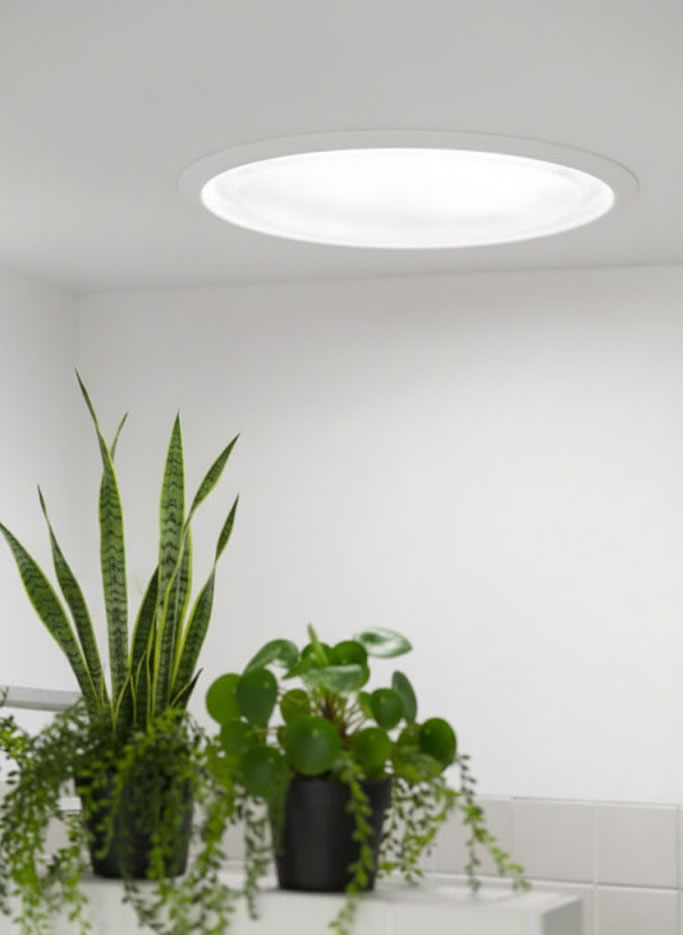
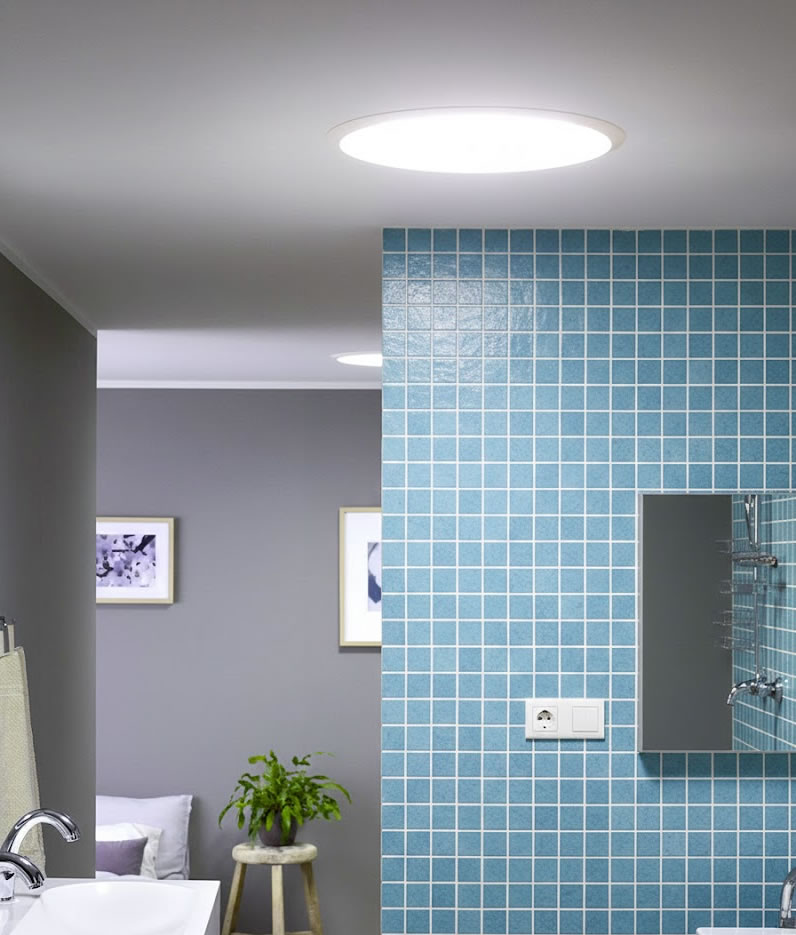
Sun tunnels remain one of the most effective ways to brighten dark rooms in British homes without installing a full roof window. They work well in the UK because even on cloudy days, they capture and channel natural daylight through reflective tubing into hallways, bathrooms, landings, kitchens and lofts.
However, like any roof improvement, they have advantages and limitations. This guide explains when sun tunnels are worth installing, how UK weather affects their performance and what factors homeowners should consider before getting quotes.
What are the main benefits of sun tunnels?
Sun tunnels offer several advantages that suit common UK homes, especially terraced, semi-detached and older properties with limited window space.
Key advantages
- Natural daylight even in windowless rooms
- Lower cost than skylights or roof windows
- Fast installation, often completed within a few hours
- Energy efficiency, reducing the need for artificial lighting
- No loss of privacy, unlike a traditional window
- Minimal structural changes, making them suitable for most roofs
In addition, sun tunnels perform reliably throughout the year because they collect diffuse daylight as well as direct sunlight.
Summary table: Pros and cons
| Pros | Cons |
|---|---|
| Brings natural light into dark rooms | Not suitable for every roof layout |
| Cheaper than roof windows | Limited external view (light only) |
| Works in cloudy UK conditions | Tube bends reduce brightness |
| Quick, low-disruption installation | May need insulation to prevent condensation |
| Low running costs | Replacement diffusers or domes required over time |
| Works on pitched and flat roofs | Long runs cost more and reduce light output |
How UK weather affects sun tunnels
Many homeowners assume that sun tunnels only work well in sunny climates. However, UK models are designed to capture diffused daylight, which makes them surprisingly effective in Britain’s mixed weather.
Performance in common UK conditions
| Weather Condition | Performance Notes |
|---|---|
| Cloudy bright days | Very good; reflective tubes amplify available light |
| Overcast days | Moderate but still useful light levels |
| Winter months | Shorter days mean slightly reduced output |
| Sunny days | Excellent performance, especially with rigid tubes |
| Rain or UV exposure | Domes and flashings are designed for UK durability |
Although sunlight intensity varies seasonally, homeowners usually notice significant improvements in brightness even during winter.
When sun tunnels are worth it
Sun tunnels tend to offer excellent value in the following situations:
1. You have a dark internal room
Hallways, stairwells, bathrooms and internal bedrooms often gain the most benefit.
2. A skylight isn’t possible
Roof windows require more structural alteration, planning considerations and a higher budget.
3. You want more daylight without losing privacy
Bathrooms and dressing rooms often benefit from natural light without adding a window.
4. You want lower install costs
Most pitched roof installations fall between £600 and £1,200, which is significantly cheaper than a roof window.
5. You live in a cloudy region
Sun tunnels don’t rely on direct sunlight, so they perform well across most of the UK.
When sun tunnels may not be the best choice
Sun tunnels work well in most cases, but some situations reduce their effectiveness.
1. Very long loft routes
If the tube extends beyond 6 metres or requires several bends, brightness may drop.
2. Loft obstructions
Water tanks, rafters or ventilation units may block a straight tube route.
3. Extremely steep or shallow pitches
Most roofs between 15° and 60° work well, but unusual angles may restrict options.
4. You want a view
Sun tunnels deliver light only—not an outside view like a skylight or roof window.
5. High-humidity rooms without insulation
Uninsulated tubes can attract condensation in bathrooms or kitchens, although this is easily solved with insulation sleeves.
Are sun tunnels good value for money?
In most UK homes, yes. Sun tunnels often deliver excellent value because they:
- improve brightness immediately
- reduce electricity use
- require almost no maintenance
- avoid the complexity of large roof alterations
The lower installation cost compared to roof windows means sun tunnels offer a high return on investment, especially in dark internal spaces.
Typical costs vs alternatives
| Product Type | Typical Cost (Installed) | Notes |
|---|---|---|
| Sun tunnel | £600–£2,000 | Cheapest daylighting option |
| Skylight | £1,200–£2,500 | Requires more carpentry and finishing |
| Roof window | £1,500–£3,000+ | Adds ventilation and views |
| Flat roof lantern | £2,000–£4,500+ | Major structural alteration |
Because of this price gap, homeowners often choose sun tunnels to brighten areas where windows or roof lanterns are unnecessary or impractical.
Longevity and maintenance
Most well-installed sun tunnels last 20 years or more. Maintenance is low, although homeowners sometimes replace:
- ceiling diffusers
- external domes
- insulation sleeves (if upgraded later)
Brands like Velux, Solatube, Fakro and LiteLite offer long-term availability of spare parts.
Are sun tunnels energy efficient?
Yes. Sun tunnels reduce reliance on electric lighting and generate no heat loss when installed with insulated tubes. Modern models also include:
- UV-resistant domes
- thermal barriers
- optional insulated diffusers
Consequently, they help lower overall energy usage in many homes.
Get free sun tunnel quotes
If you’re unsure whether a sun tunnel is right for your home, you can request up to four free quotes from vetted UK installers. They can assess your loft, roof pitch and room layout to help you decide if a sun tunnel offers good value in your specific situation.
Frequently asked questions
Do sun tunnels work in winter in the UK?
They still provide useful daylight, although output is slightly lower due to shorter days.
Are sun tunnels waterproof?
Yes. With the correct flashing, they offer excellent long-term waterproofing.
Do they work better on pitched or flat roofs?
Pitched roofs usually deliver stronger performance, but flat roofs still work well with dome collectors.
Can they cause heat loss?
Not when installed with insulated tubes and proper sealing.
Are sun tunnels worth the money?
In most cases, yes — especially for dark internal rooms with no window options.