
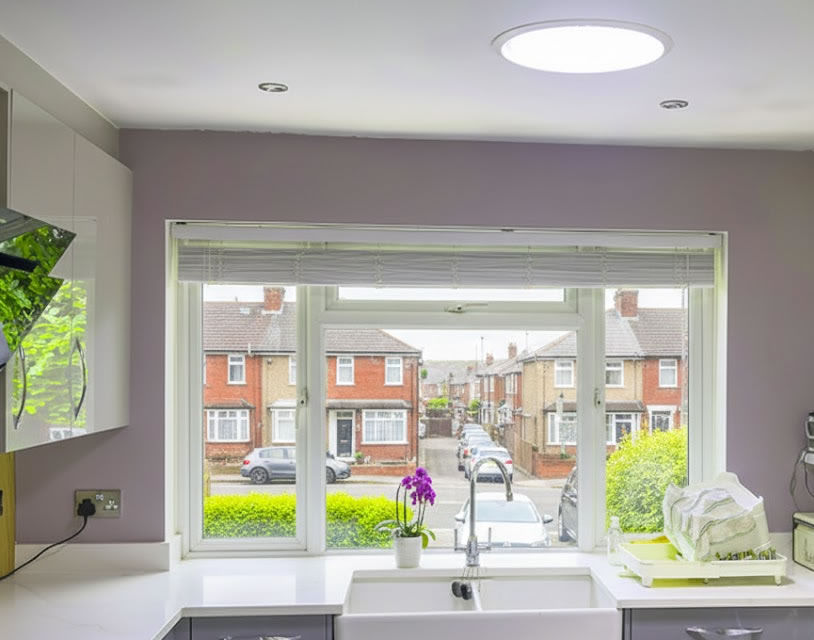
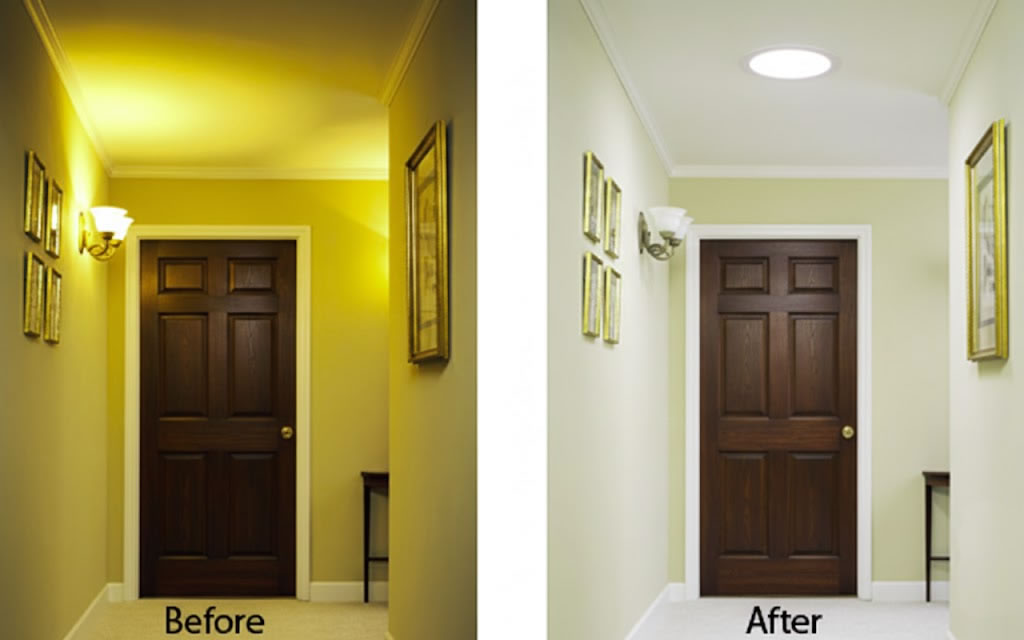
How sun tunnels improve comfort, cut lighting costs and brighten UK homes
Many UK homes have internal rooms with no windows—hallways, bathrooms, staircases, utility rooms and landings. These areas rely entirely on artificial lighting, which increases electricity use and creates a dull, enclosed feeling. Sun tunnels offer a practical, low-energy solution by bringing natural daylight into these dark spaces without major building work.
This guide explains how sun tunnels help reduce energy consumption, improve wellbeing and transform dim rooms into brighter, more usable spaces.
Why sun tunnels save energy
Sun tunnels use natural daylight, which reduces the amount of time you need artificial lighting. Since internal lights often stay switched on throughout the day in dark rooms, sun tunnels immediately cut unnecessary electricity usage.
How sun tunnels help reduce energy use
- Provide consistent natural daylight
- Reduce reliance on artificial lighting
- Lower daily lighting costs
- Improve visibility without increasing energy bills
- Help offset rising UK electricity prices
Because daylight is free, households normally see savings from the first day the sun tunnel is installed.
Estimated energy savings (UK households)
Although savings vary, the table below shows typical reductions for common dark rooms.
| Room Type | Average Hours of Artificial Lighting per Day (Before) | After Sun Tunnel | Estimated Electricity Saving per Year* |
|---|---|---|---|
| Hallway | 4–6 hours | 0–1 hour | £20–£45 |
| Bathroom | 2–4 hours | 0–1 hour | £15–£30 |
| Landing/Stairs | 4–7 hours | 0–1 hour | £25–£55 |
| Utility Room | 3–5 hours | 0–1 hour | £15–£35 |
| Internal Bedroom | 3–6 hours | 1–2 hours | £20–£40 |
*Based on typical LED lighting use at current UK electricity rates.
Even modest savings accumulate over many years, which often makes sun tunnels more cost-effective than people expect.
Why daylight improves dark rooms
Natural daylight offers several practical and psychological benefits. Because sun tunnels transmit full-spectrum light, they improve comfort and usability in rooms that previously felt gloomy.
Benefits of daylight in internal rooms
- Makes rooms feel larger and more open
- Improves colour rendering and visibility
- Enhances mood and reduces eye strain
- Helps with tasks like grooming, cleaning and organisation
- Gives a cleaner, modern look to older areas
As a result, homeowners often describe sun tunnels as providing “free light all day long.”
Sun tunnels vs artificial lighting
Here is a simple comparison of how sun tunnels differ from artificial lighting.
| Feature | Sun Tunnels | Artificial Lighting |
|---|---|---|
| Running cost | Free daylight | Continuous electricity use |
| Light quality | Full-spectrum natural light | Warm/white depending on bulb |
| Maintenance | Minimal | Bulb replacements needed |
| Heat impact | Low | Some bulbs add heat |
| Environmental benefit | Very good | Depends on electricity source |
| Aesthetic impact | Soft, even daylight | Directional and shadowed |
Because sun tunnels deliver natural, shadow-free light, the overall lighting effect feels more pleasant and more balanced.
How much daylight do sun tunnels produce?
Different sun tunnel sizes generate different levels of brightness. Rigid tubes deliver the strongest performance.
Light output comparison
| Tube Diameter | Typical Use | Light Output |
|---|---|---|
| 250mm (10”) | Small bathrooms, hallways | Soft, warm daylight |
| 350mm (14”) | Larger hallways, landings | Bright, full-room light |
| 400mm+ | Kitchens, open areas | Very strong daylight |
Rigid tubes normally outperform flexible tubes by 30–70%, especially in deeper lofts.
Why sun tunnels work well in the UK climate
Many homeowners assume the UK’s cloudy weather limits sun tunnels. However, modern reflective tubes capture diffused daylight, which means they continue to brighten rooms even on heavily overcast days.
Performance in typical UK weather
| Condition | Sun Tunnel Performance |
|---|---|
| Bright cloudy day | Very good |
| Overcast day | Moderate but useful |
| Winter sun | Good due to roof angle |
| Summer sun | Excellent |
| Rain or UV exposure | Dome and flashing systems handle UK weather well |
The consistent performance in mixed climates makes sun tunnels reliable year-round.
Where sun tunnels deliver the biggest impact
Sun tunnels provide the strongest benefits in rooms that lack natural light entirely.
Best locations for maximum energy savings
- internal hallways
- staircases and landings
- loft spaces
- internal bathrooms and ensuites
- kitchen extensions
- laundry and utility rooms
- windowless corners or alcoves
If a room relies on lights throughout the day, installing a sun tunnel usually offers noticeable improvement.
Are sun tunnels good for the environment?
Yes. Sun tunnels reduce electricity use and help lower carbon emissions. Additionally:
- they contain no electrical components
- they create zero running emissions
- they support low-energy home design
- many come with recyclable parts
For eco-conscious homeowners, they offer a simple upgrade with long-term impact.
Get free sun tunnel installation quotes
Tell us about your dark room and roof type, and receive up to four free quotes from vetted UK sun tunnel installers. Compare costs, tube sizes and installation methods to find the best option for your home.
Frequently asked questions
How much can a sun tunnel reduce my electricity bill?
Most households save between £15 and £55 per year, depending on room usage.
Do sun tunnels brighten rooms enough to replace lights?
In most hallways, bathrooms and landings—yes. Many homeowners stop using artificial lighting during the daytime.
Do sun tunnels work in winter?
Yes. Light levels drop slightly due to shorter days, but sun tunnels still provide useful daylight.
Are sun tunnels more efficient than skylights?
They let in less total light than a large skylight, but they cost less and have almost no heat loss.
Do sun tunnels help with wellbeing?
Yes. Natural light supports mood, reduces visual fatigue and makes dark rooms more pleasant to use.